30.9 C
Singapore
Wednesday, April 8, 2026

Does physical activity improve emotional regulation?

Insights from experiment on self with real-time data

Evidence from the literature suggests that physical activity improves emotional regulation, and can prevent and help manage symptoms of depression. I conducted a four-day experiment where I logged in my physical activity and emotions to understand the impact being physically active on my ability to regulate my emotions better.

Background

The year before COVID-lockdown, I had moved to the US, a country I was new to. When COVID hit and the lockdown began, I was in my one-bedroom apartment in the new city trying to figure things out.

During that time I put together this experiment to help me keep track of my physical activity and emotions.

I used the PIEL app to put together the survey questionnaire in my phone and prompt me to complete it three times a day – morning, afternoon, and evening.

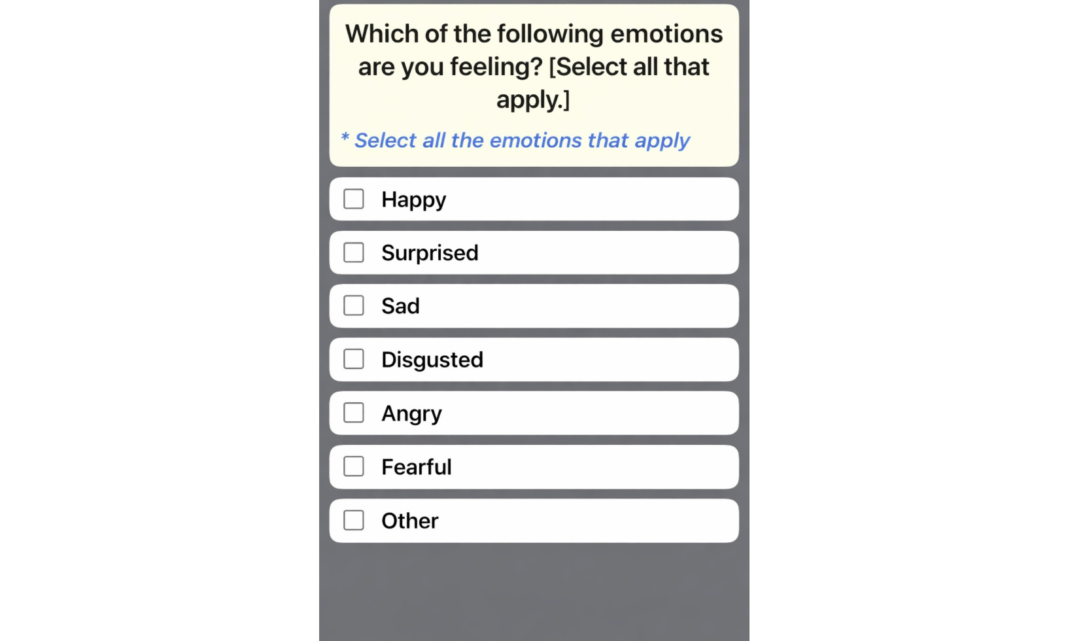
The survey questions captured physical activity, self-care behaviours, emotions (drawn from Ekman’s basic emotions – anger, disgust, fear, happiness, sadness, and surprise), and contextual triggers, treating emotions as dynamic – changing throughout the day – and tied to daily routines and impacted by daily stressors (COVID-19 lockdown, family conflict, work deadlines, etc.).

Here is the list of Qs on the survey:

I filled in the survey three times a day for four days – morning ~11:50am, afternoon ~5pm, evening ~10pm, and used the Apple Watch sensor data for additional information and confirmation of self-reports (data such as steps, distance, etc.).

Physical activity was mostly low-intensity as per US Department of Health guidelines, with an average duration of ~20–40 minutes and mainly yoga in the mornings and walking in the evenings.

My experiences

Morning yoga and breathing exercises (30–40 minutes) consistently triggered positive emotions (positive affect)—calm and satisfied on Day 1, calm but slightly stressed on Day 2 (due to a work deadline), satisfied and happy on Day 3 — the positive affect carrying into afternoons as productive, ’emotional but motivated’, or relaxed.

The morning exercises felt like a “reset”: they disrupted inertia due to lockdown, grounded me in the middle of interpersonal stress, and reduced the impact of my work worries.

Afternoons without exercise stayed positive via carryover from mornings and other mindful activities / distractions (such as spiritual audiobooks, games), but evenings without activity often shifted the emotions negative: tearful/emotionally stressful (Day 2), scared about work (Day 3), worried/sad (Day 4 evening).

Evening walking (50 minutes Day 1) sustained calm and happy emotions into night, suggesting time-limited effects—positive boosts faded without reinforcement.

Day 4’s partial lockdown lift added hopefulness in the morning and afternoon (with a brief 10-min walk in the afternoon), but negative affect returned in absence of activity in the evening, highlighting the role of external events as well as exercise’s buffering potential.

Baseline moderate stress (stress score due to work — 4 to 5 on a scale of 10, and stress score due to personal reasons — 6 to 7) and disrupted gym routine also amplified fluctuations in emotions, but physical activity was consistently linked to more positive, and emotionally regulated states.

See the summary table below:

For complete dataset, see here.

Insights

The data suggests that physical activity, even low-intensity, correlates with better emotional regulation—morning sessions stabilizing the day, evening ones preventing downturns—under stress. It also illustrates how collecting data in real-time can add value to personal insight, especially for emotional affect, which can shift over short durations of time.

Insights from experiment on self with real-time data

Evidence from the literature suggests that physical activity improves emotional regulation, and can prevent and help manage symptoms of depression. I conducted a four-day experiment where I logged in my physical activity and emotions to understand the impact being physically active on my ability to regulate my emotions better.

Background

The year before COVID-lockdown, I had moved to the US, a country I was new to. When COVID hit and the lockdown began, I was in my one-bedroom apartment in the new city trying to figure things out.

During that time I put together this experiment to help me keep track of my physical activity and emotions.

I used the PIEL app to put together the survey questionnaire in my phone and prompt me to complete it three times a day – morning, afternoon, and evening.

The survey questions captured physical activity, self-care behaviours, emotions (drawn from Ekman’s basic emotions – anger, disgust, fear, happiness, sadness, and surprise), and contextual triggers, treating emotions as dynamic – changing throughout the day – and tied to daily routines and impacted by daily stressors (COVID-19 lockdown, family conflict, work deadlines, etc.).

Here is the list of Qs on the survey:

I filled in the survey three times a day for four days – morning ~11:50am, afternoon ~5pm, evening ~10pm, and used the Apple Watch sensor data for additional information and confirmation of self-reports (data such as steps, distance, etc.).

Physical activity was mostly low-intensity as per US Department of Health guidelines, with an average duration of ~20–40 minutes and mainly yoga in the mornings and walking in the evenings.

My experiences

Morning yoga and breathing exercises (30–40 minutes) consistently triggered positive emotions (positive affect)—calm and satisfied on Day 1, calm but slightly stressed on Day 2 (due to a work deadline), satisfied and happy on Day 3 — the positive affect carrying into afternoons as productive, ’emotional but motivated’, or relaxed.

The morning exercises felt like a “reset”: they disrupted inertia due to lockdown, grounded me in the middle of interpersonal stress, and reduced the impact of my work worries.

Afternoons without exercise stayed positive via carryover from mornings and other mindful activities / distractions (such as spiritual audiobooks, games), but evenings without activity often shifted the emotions negative: tearful/emotionally stressful (Day 2), scared about work (Day 3), worried/sad (Day 4 evening).

Evening walking (50 minutes Day 1) sustained calm and happy emotions into night, suggesting time-limited effects—positive boosts faded without reinforcement.

Day 4’s partial lockdown lift added hopefulness in the morning and afternoon (with a brief 10-min walk in the afternoon), but negative affect returned in absence of activity in the evening, highlighting the role of external events as well as exercise’s buffering potential.

Baseline moderate stress (stress score due to work — 4 to 5 on a scale of 10, and stress score due to personal reasons — 6 to 7) and disrupted gym routine also amplified fluctuations in emotions, but physical activity was consistently linked to more positive, and emotionally regulated states.

See the summary table below:

For complete dataset, see here.

Insights

The data suggests that physical activity, even low-intensity, correlates with better emotional regulation—morning sessions stabilizing the day, evening ones preventing downturns—under stress. It also illustrates how collecting data in real-time can add value to personal insight, especially for emotional affect, which can shift over short durations of time.

Latest article

Must read

Public Mental Health
Hello, how are you?